Dementia match
A memory-enhancing game promoting cognitive engagement for dementia patients.
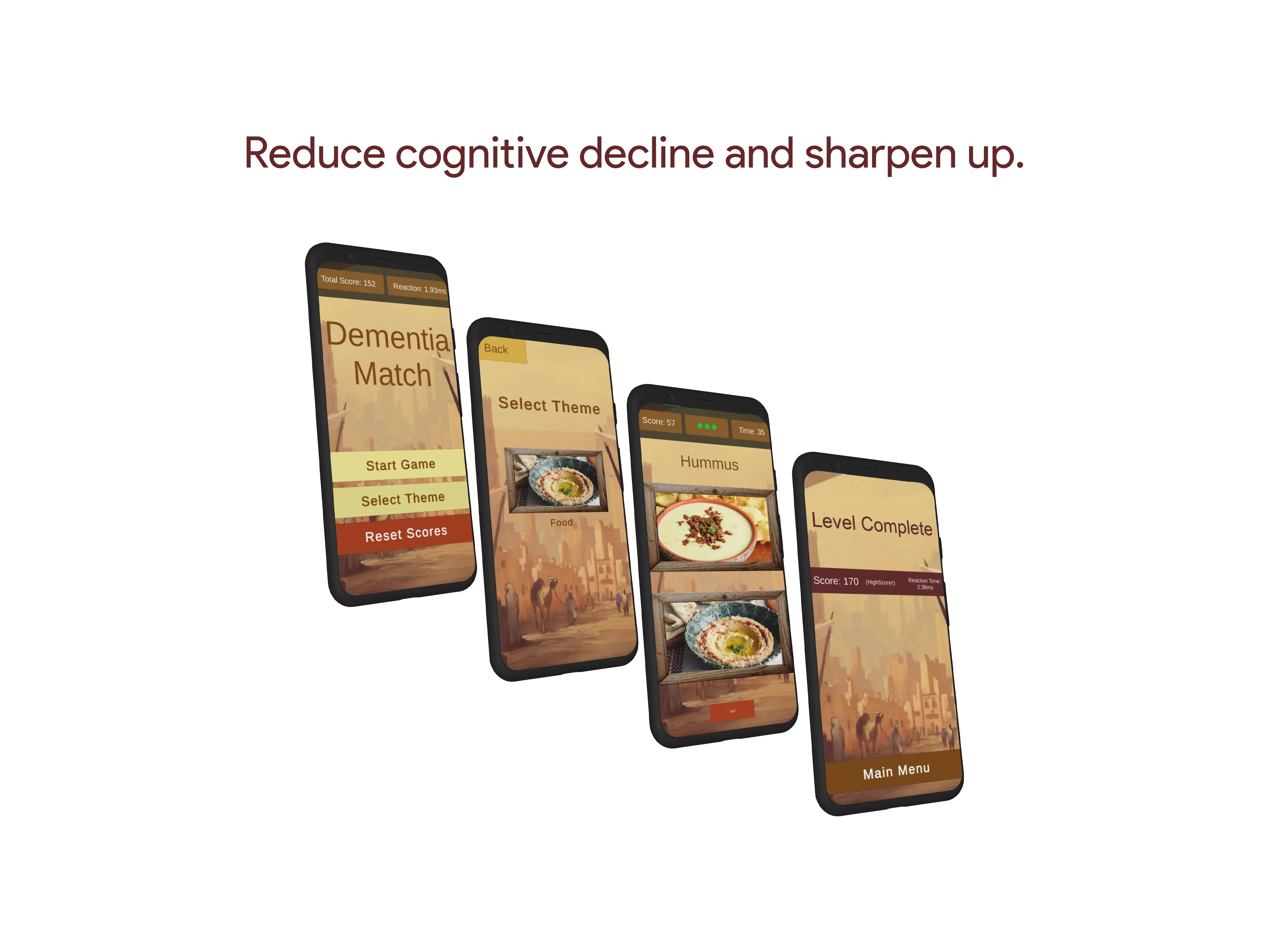
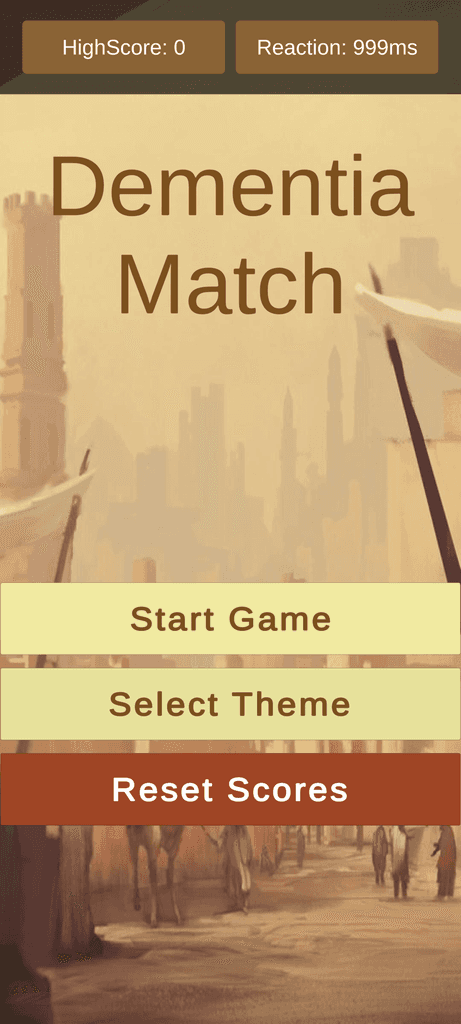
Dementia Match is a gamified mobile application designed to combat cognitive decline in people with dementia (PwD). The game utilizes familiar imagery and culturally resonant themes to stimulate memory recall and improve cognitive function through interactive gameplay.
Timeline
Designed, developed, and tested the prototype within a semester-long project, incorporating iterative user feedback.
Background
Dementia affects over 50 million people worldwide, causing significant challenges in memory, judgment, and communication. Existing treatments provide limited relief, emphasizing the need for innovative solutions. Serious games have emerged as a promising tool to enhance cognitive abilities and quality of life for PwD. However, most current offerings lack customization for aging populations, suffer from usability issues, and fail to maintain long-term engagement. Dementia Match addresses these challenges by integrating culturally tailored, user-friendly game mechanics.
The game was designed for older people amongst whom dementia may be common, and was localized to UAE as the research team was based there.
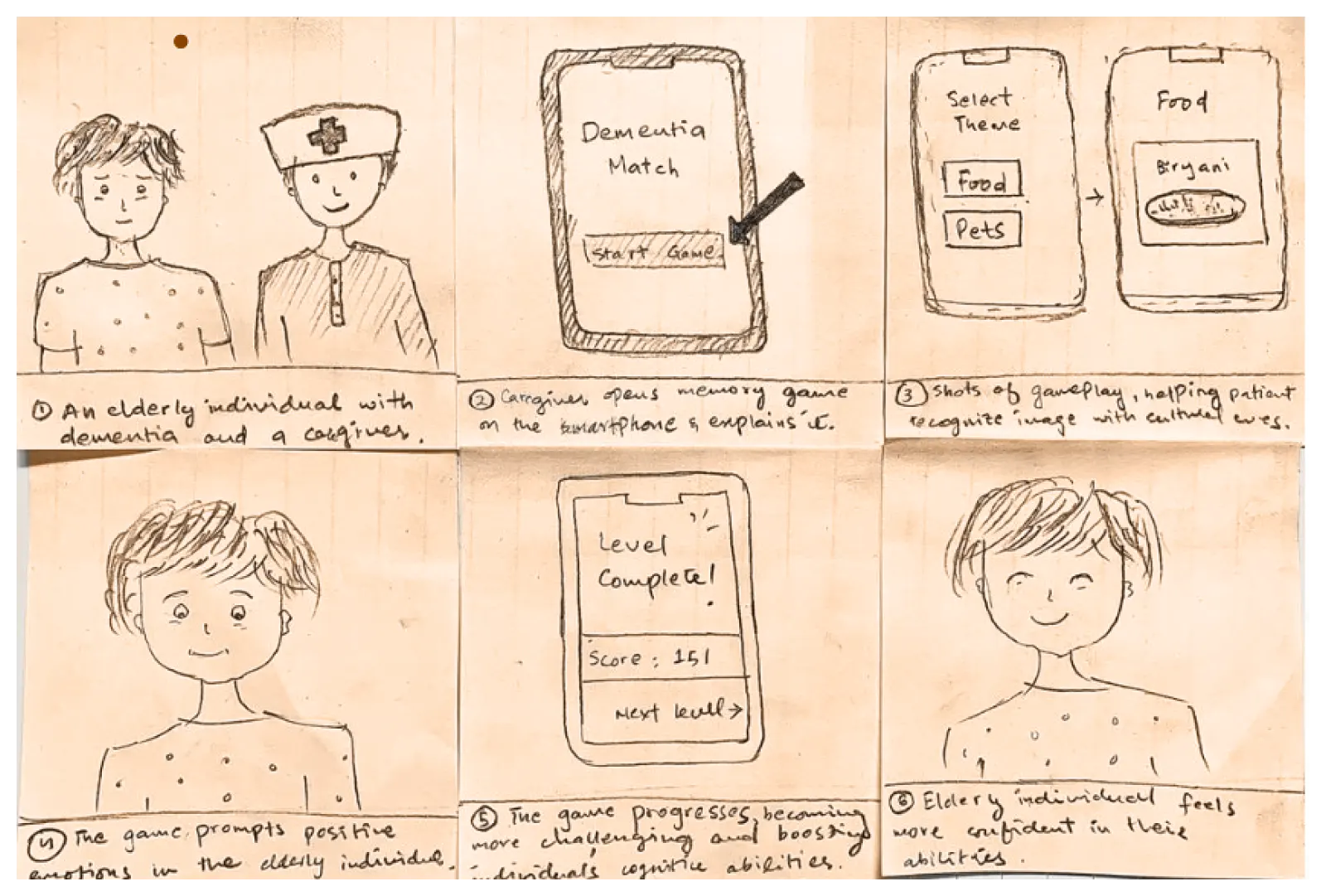
We also created storyboards to show how the game would work and how users would interact with it. These storyboards helped us plan the game’s flow and ensure it was easy to use and engaging for people with dementia. They also allowed us to gather feedback early, making it easier to improve the design.
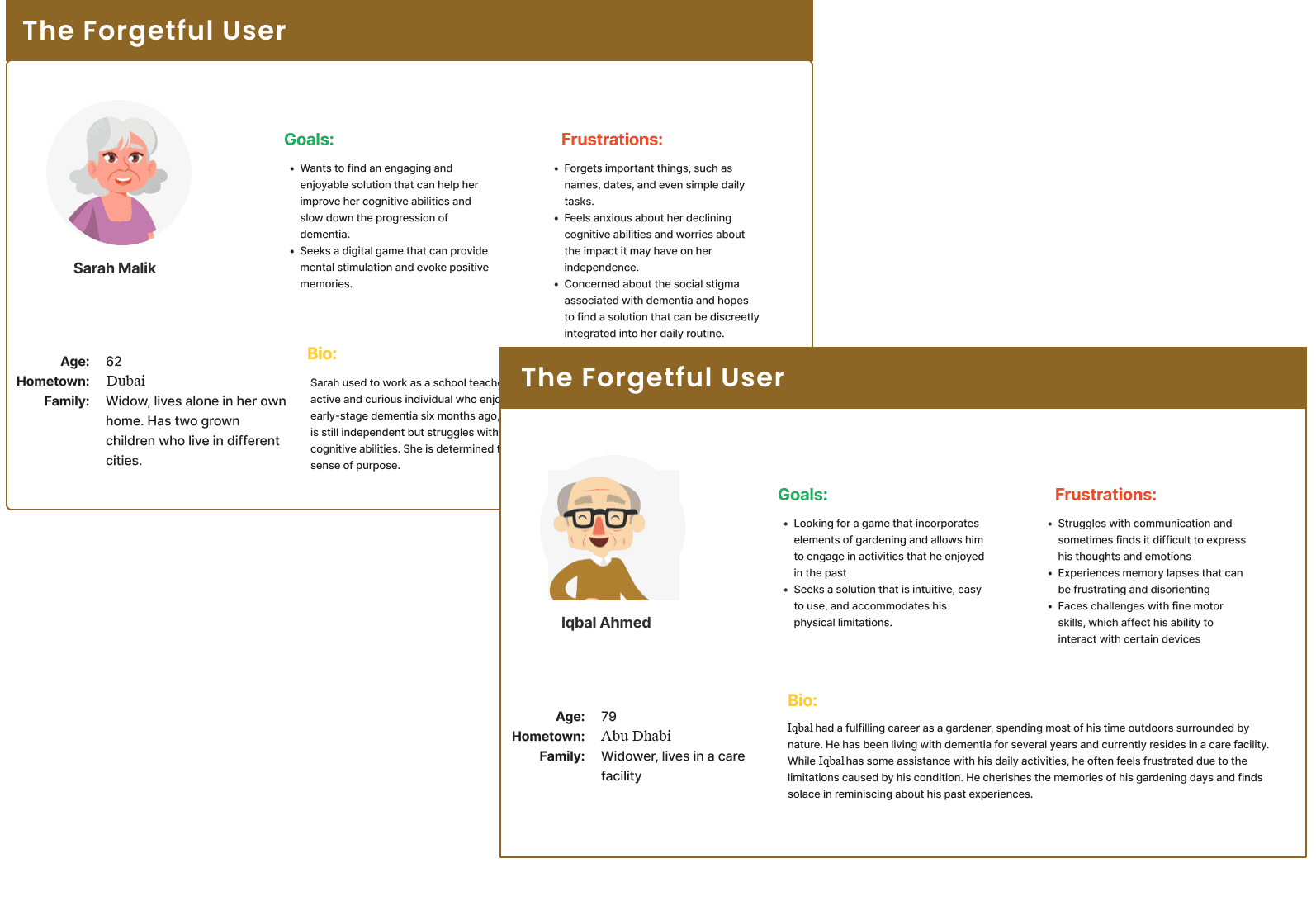
A user-centered design approach was employed, focusing on cultural context, accessibility, and engagement.
Research & Planning
Conducted literature reviews and user interviews to identify gaps in existing cognitive training games. Prioritized cultural relevance and ease of use for older adults.
Design & Prototyping
Designed four game concepts, focusing on memory recall, guided processes, and collaborative gameplay. Selected Dementia Match for development due to its simplicity and scalability.
Implementation
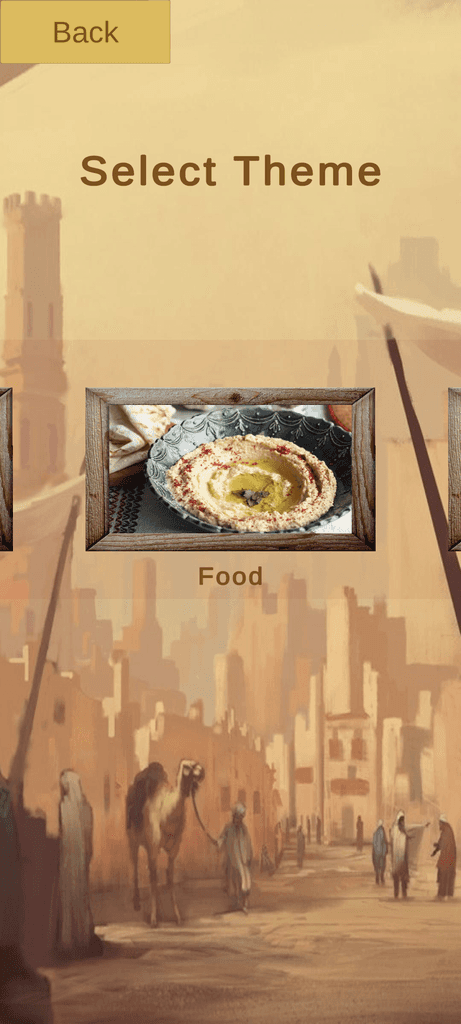
Leveraged Unity for game development, incorporating familiar images and customizable themes. Designed intuitive interfaces and adaptable difficulty levels to ensure usability for PwD.
Testing & Optimization
Tested with neurotypical participants to evaluate usability and cognitive engagement. Feedback informed improvements in navigation, visual design, and gameplay features.
Dementia Match is a memory-based game that offers a structured yet enjoyable experience for users.
Cognitive Training
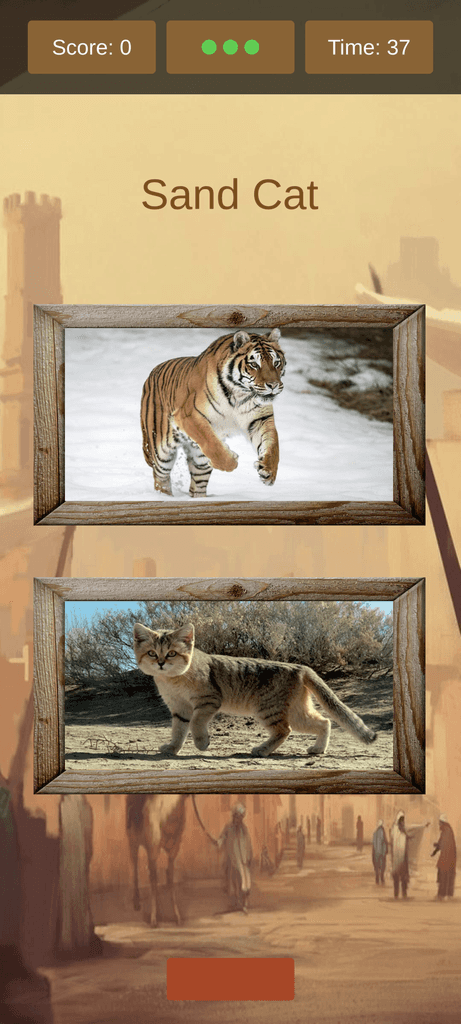
Players identify culturally familiar images to stimulate memory and improve recognition.
Adaptive Gameplay
Difficulty adjusts based on user performance, ensuring sustained engagement and challenge.
Cultural Relevance
Themes incorporate local foods, landmarks, and traditions to enhance familiarity and emotional connection.
Here, the outcomes and achievements of the project are highlighted, including user feedback, adoption rates, and industry recognition.
Positive Reception
Test participants praised the game's simplicity, engaging themes, and potential for cognitive improvement.
Demonstrated Usability
High satisfaction ratings in post-testing surveys validated the game's design and interface.
Potential Impact
While tested on neurotypical users, the game's scalability and adaptability make it a promising tool for dementia care with further refinement and clinical testing.
This marked my second venture into designing for assistive health technologies. Along this journey, I encountered several challenges in designing for a user base unfamiliar with such solutions. Moreover, a target audience from a different cultural background made me understand how solutions might vary based on their context. This experience led me to some valuable insights, including an important mindset shift from aesthetics to accessibility as a priority. It also expanded my perspective on defining essential directional cues, and recognizing the role of accurate user group testing during every phase of ideation.