SimSchool
An 8-Bit Mental Health Quest to raise conversation.
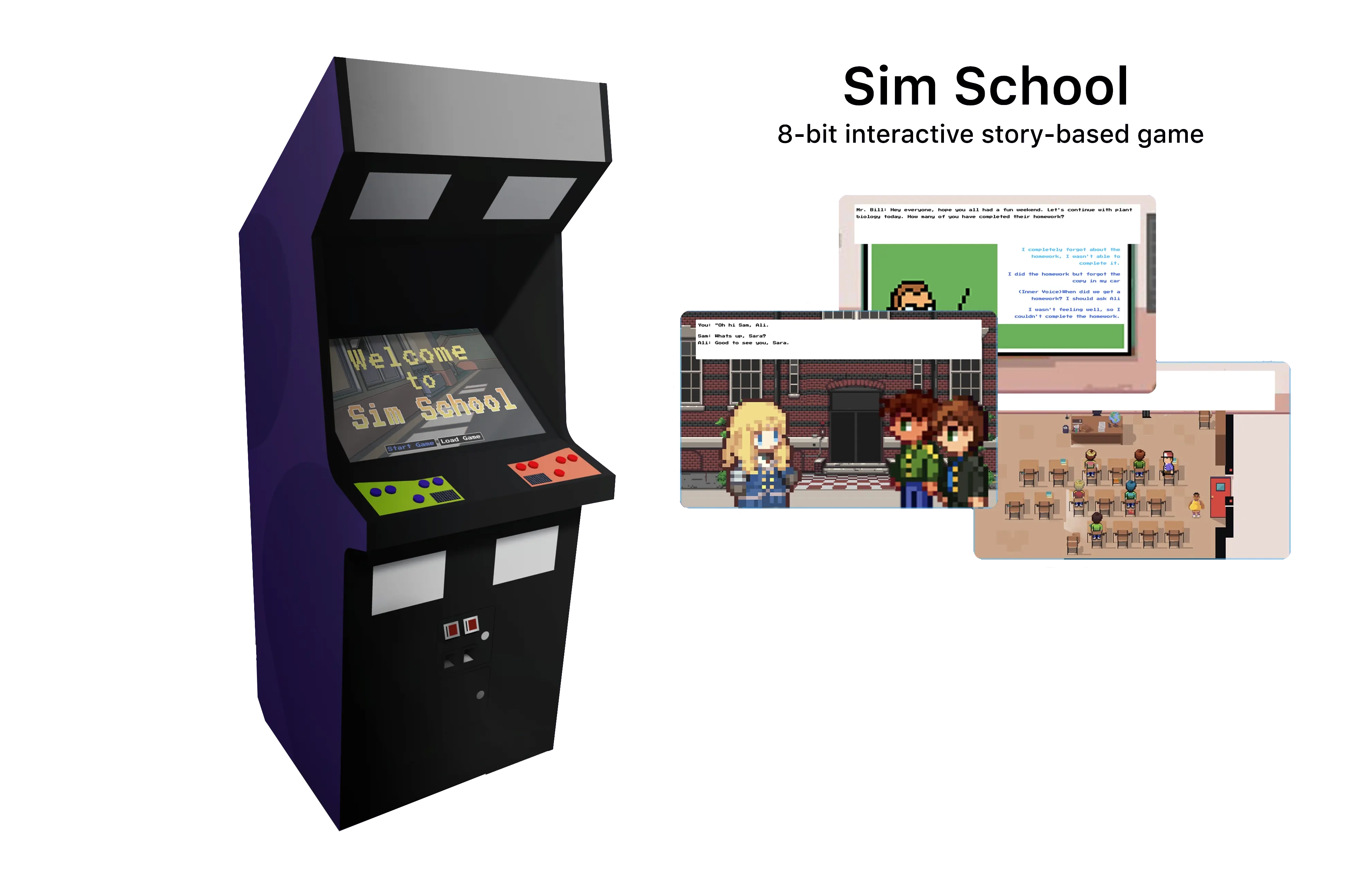
Recently, there has been a rise in mental health issues among teenagers, especially high school students. This project aimed to explore whether we could use interactive mechanisms and a storytelling gamification aspect to encourage high school students to engage in open dialogue about mental health. The game utilized multiple storylines to educate users on the various symptoms that may arise, as well as identify negative thought patterns.
Timeline
We designed, tested, and delivered the first chapter of the game in 6 months, despite facing challenges like losing half of the initial project team.
Background
The project addresses a critical need for mental health interventions in high school settings, particularly in the Global South. High levels of stigma and limited access to therapeutic resources often deter students from seeking help. By integrating elements of narrative therapy, cognitive behavior therapy, and gamification, the game creates an engaging platform for students to explore mental health topics in a relatable and non-judgmental environment.
Based on initial research, the project was targeted to high school students in Pakistan, as they suffered the most with mental health problems, with no accessible solutions, which eventually impacted their adult lives.
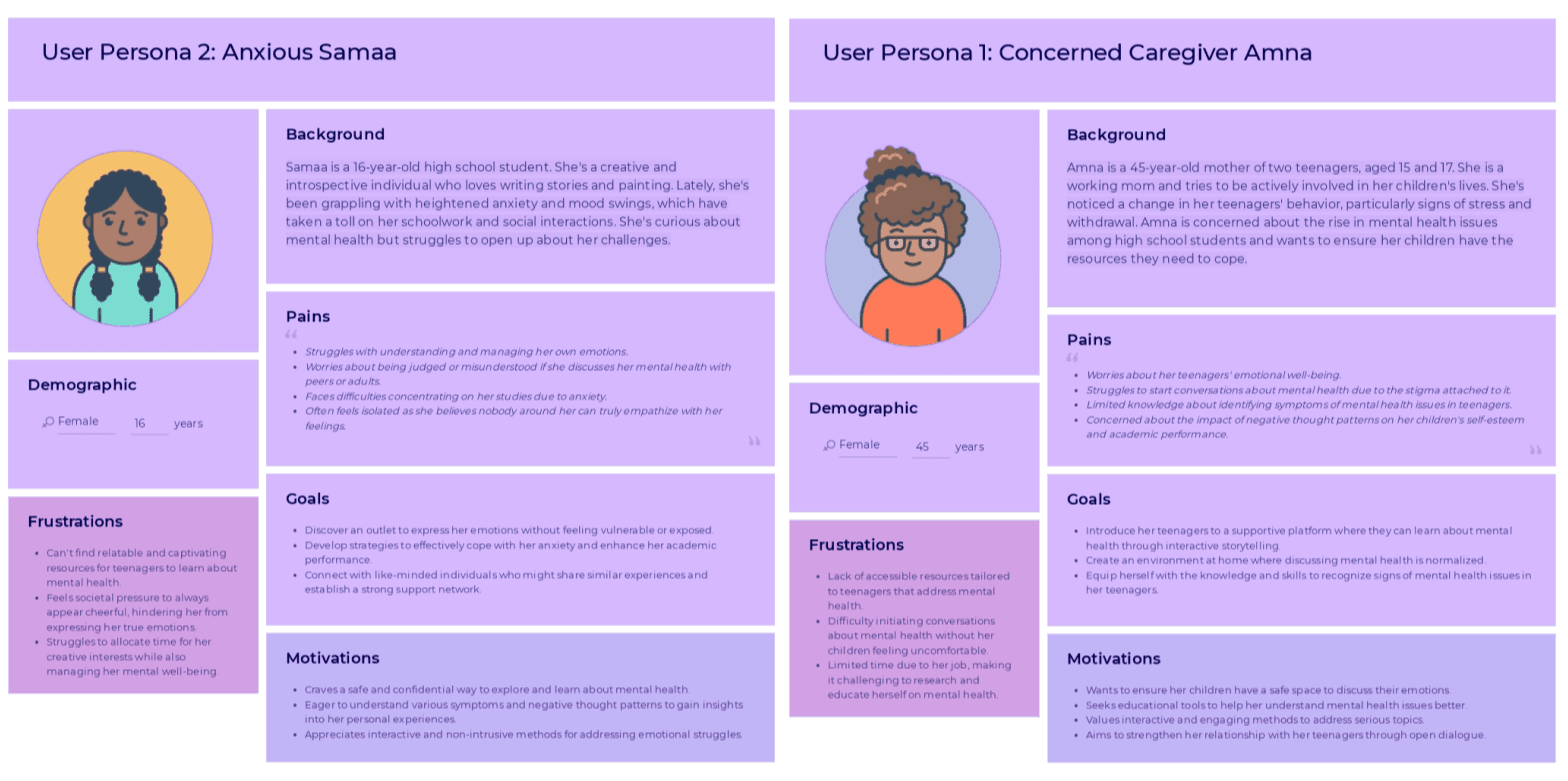
Our comprehensive approach spanned research, design, prototyping, and iterative development.
Research & Planning
Conducted user research through interviews and creative exercises, such as collaging and social media diaries, to understand students' mental health challenges and coping mechanisms.
Design & Prototyping
Crafted storylines and scenarios informed by user insights, leveraging the Unity and Twine platforms to build interactive, decision-based gameplay with an 8-bit aesthetic for a nostalgic and accessible experience.
Implementation
Incorporated narrative frameworks and therapeutic strategies into the game, focusing on common stressors like grade anxiety, bullying, and discrimination.
Testing & Optimization
Tested the game with students to refine visuals, interactivity, and story coherence based on feedback, ensuring a relatable and engaging final product.
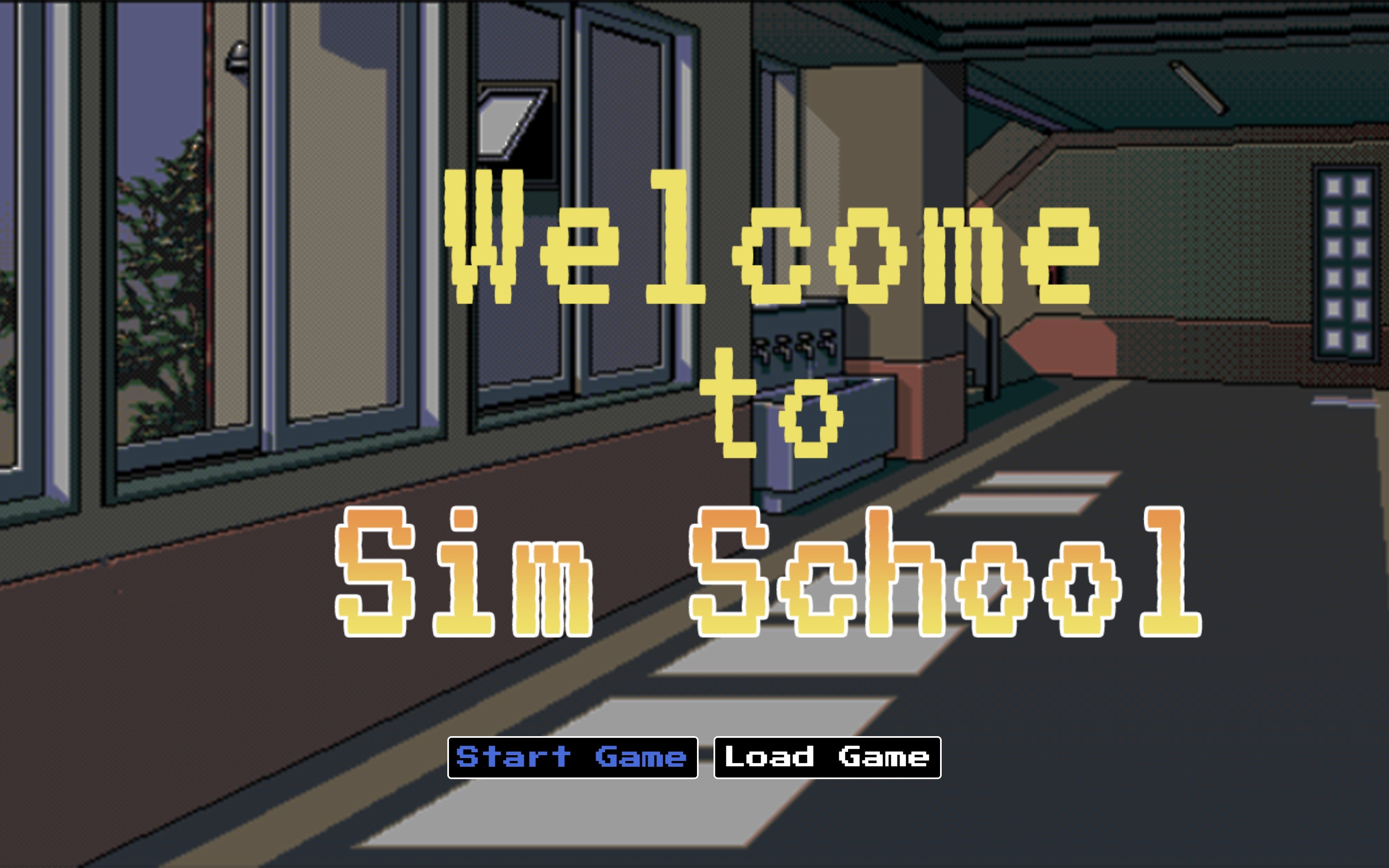
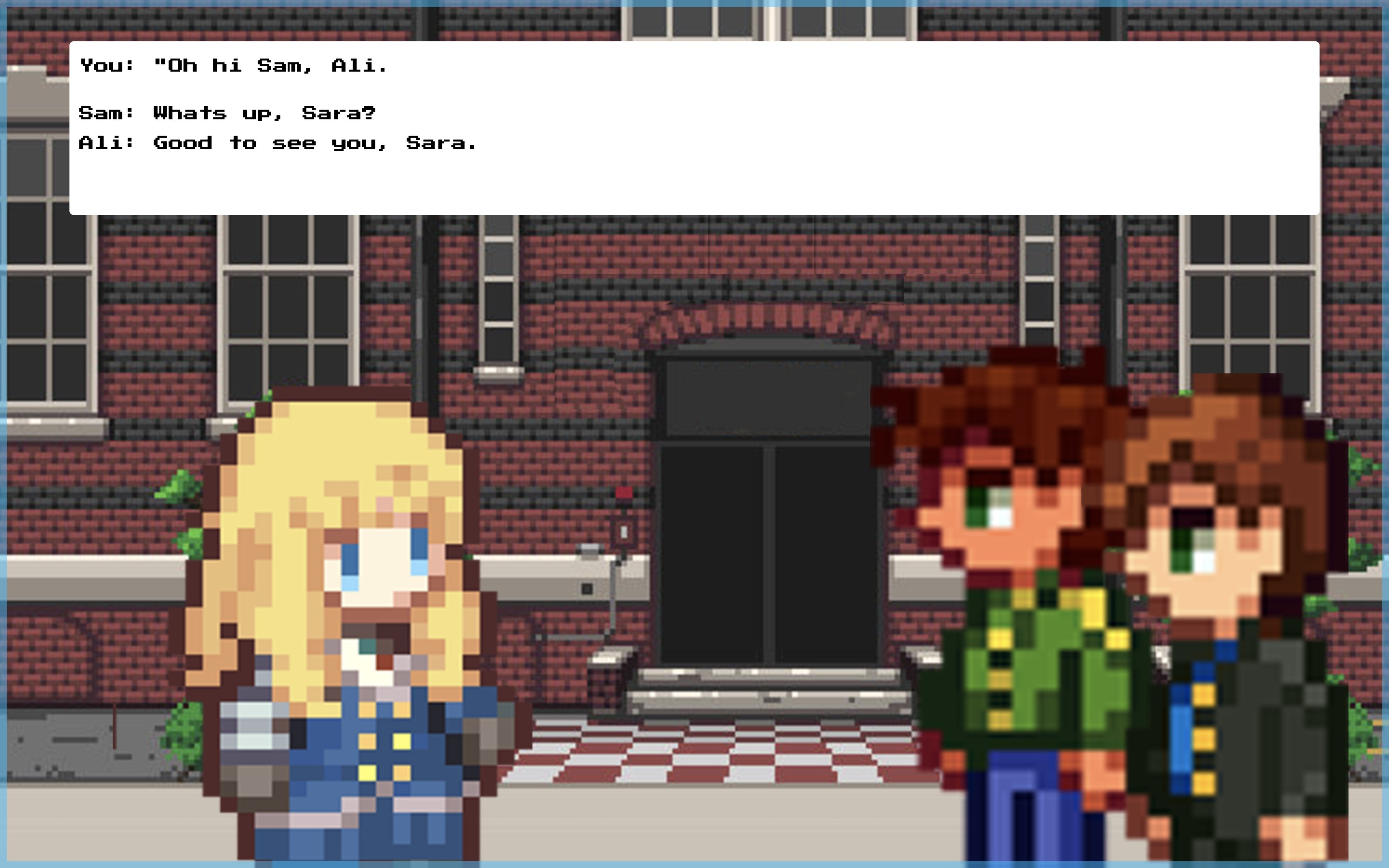
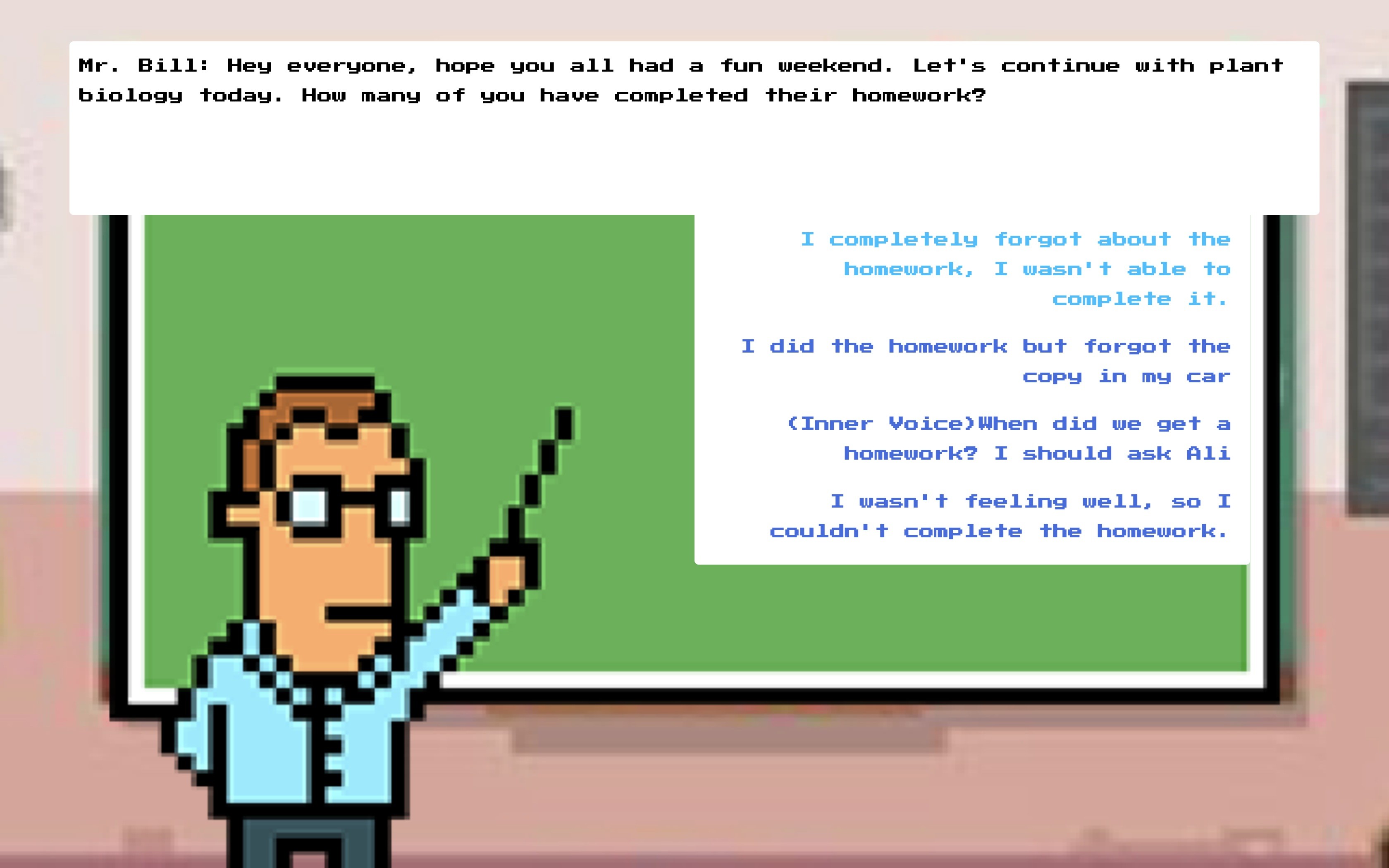
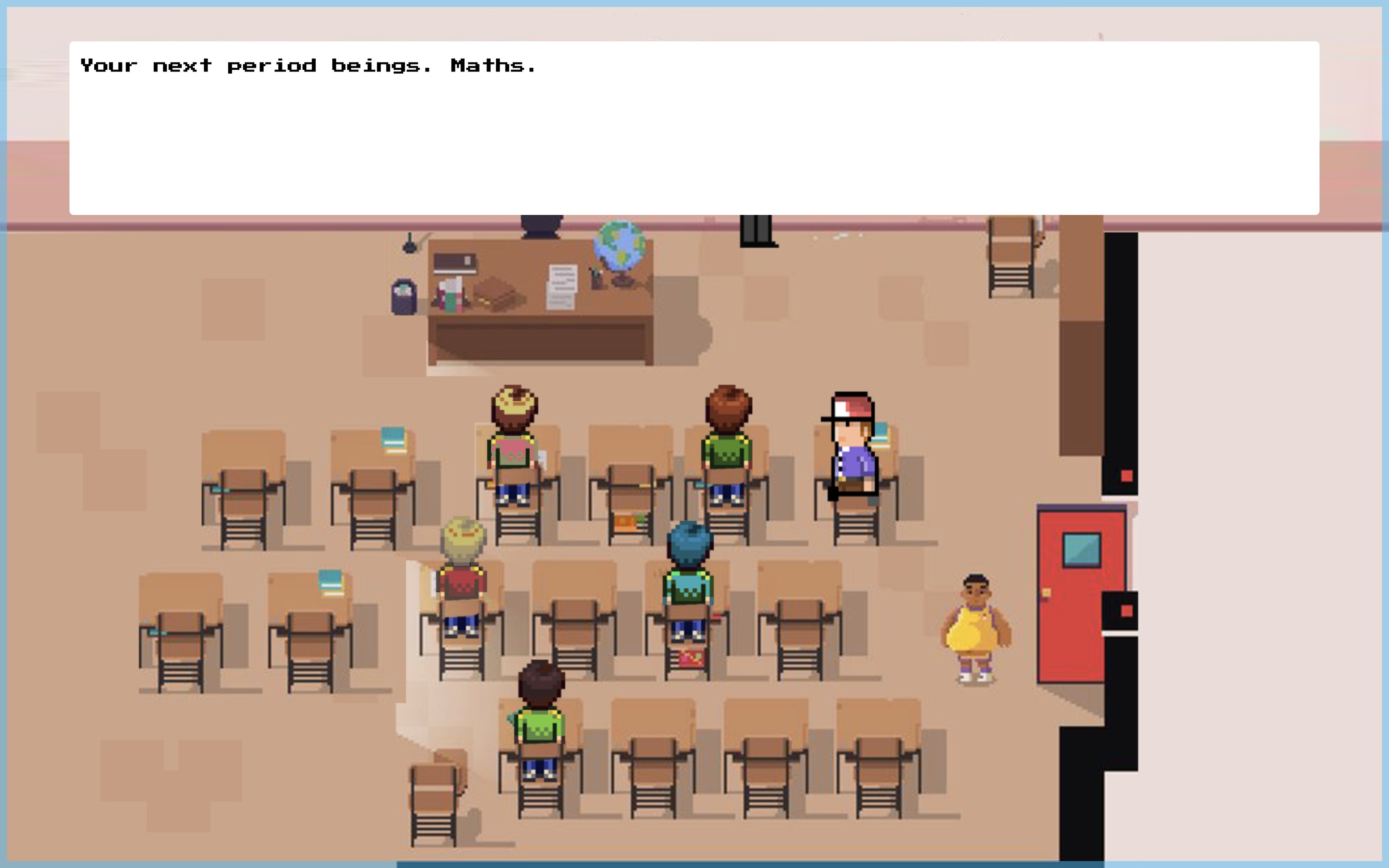
The game, titled Sim School, simulates school-life scenarios, providing students with a safe, virtual space to explore challenges and reflect on decision-making.
Interactive Storytelling
Players navigate realistic scenarios, making choices that impact the storyline and highlighting the consequences of their decisions.
Personalized Experience
Minor details such as school uniform, buildings, and scenarios allow players to see themselves reflected in the game, fostering deeper engagement.
Therapeutic Design
The game includes psycho-educational elements and feedback mechanisms to enhance cognitive awareness and promote mental well-being.

Here, the outcomes and achievements of the project are highlighted, including user feedback, adoption rates, and industry recognition.
Positive Engagement
Students described the game as "fun to play" and appreciated its relatable content and nostalgic aesthetic.
Increased Awareness
The game facilitated open conversations about mental health, reducing stigma among participants and making it easier to make conversations about mental health problems amongst each other.
Scalability Potential
The project demonstrates a scalable model for introducing gamified mental health interventions in school systems globally localizing it to specific areas for better results.
The big lesson? Traditional design methods don't always cut it. So, we dove into first principles thinking. For instance, when users weren't keen on straight-up interviews, we got creative. We introduced planned activities to get the data we needed.
Moreover, I also discovered the power of trust in user research, and how communicating effectively at their level was key to building that trust.
And when we hit bumps with the team—like when a couple of members fell behind on their studies—I learned to adapt. We shuffled tasks around and kept the project moving forward. This helped keep the momentum going even when we faced multiple challenges allowing us to pull off a successful project.